
In the world of modern architecture, a building’s “skin” is just as important as its skeleton. For a long time, architects had to choose between beauty and strength. If they wanted a building to look like natural wood, they had to worry about rot and bugs. If they wanted it to be strong, they had to use heavy concrete or metal that could look cold.
Today, there is a major shift happening. More and more architects are choosing HPL Exterior Compact Laminate as their preferred material for residential and commercial projects. In this guide, we will look at the five big reasons why this material is changing the way we build.
Unlimited Design Freedom
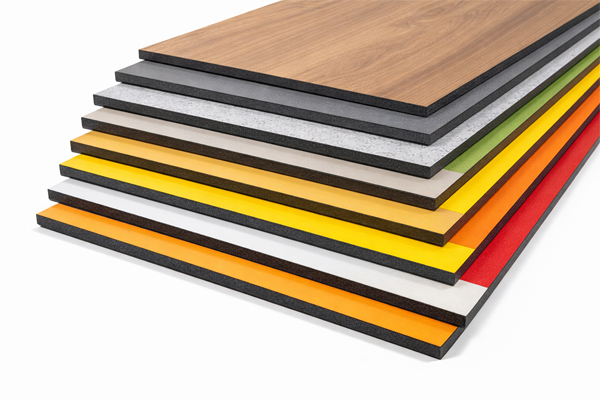
Architects love to be creative, and HPL Exterior Compact Laminate is like a giant box of crayons for them.
- Natural Looks: It can look exactly like high-end woods like Oak, Walnut, or Teak.
- Modern Styles: It can also mimic the look of stone, marble, or even solid industrial colors.
Because the panels are easy to cut and shape, architects can create unique patterns, curves, and layers that were impossible to do with traditional wood or brick.
Extreme Weather Resistance
Buildings in India have a tough life. They have to face scorching summer heat, followed by months of heavy monsoon rain.
- UV Protection: High-quality HPL Exterior Compact Laminate comes with a special UV-treated surface. While paint and wood might fade or “peel” under the sun, HPL panels stay bright and fresh for years.
- No Swelling: Because the panels are pressed so tightly, they don’t absorb water. This means they won’t warp or expand even during the wettest seasons.
High Safety and Fire Standards
When designing a building, safety is the number one priority. Architects look for materials that can help protect people in an emergency.
- Fire Resistance: Leading HPL Exterior Compact Laminate products (like those from HPL Decor) come with an excellent fire rating (BS1D0). This means the material is flame-resistant and does not contribute to the spread of fire. This is a huge reason why it is a top choice for hospitals, schools, and malls.
Sustainability and “Green” Building
Today, being “Eco-Friendly” is a big part of architecture.
- Durability is Green: The longer a material lasts, the better it is for the planet. Since HPL Exterior Compact Laminate lasts for decades without needing to be replaced, it creates much less waste.
- Recyclable Core: Many HPL panels are made from natural fibers and resins that are more sustainable than many other building materials.
Lower “Life-Cycle” Costs
While architects care about beauty, building owners care about the bills.
- No Maintenance: Unlike real wood, which needs to be polished and treated every year, or paint, which needs to be redone every three years, HPL Exterior Compact Laminate needs almost no maintenance.
- Easy Cleaning: A simple wash with water keeps the building looking brand new. This saves the owner a huge amount of money in the long run, making the architect’s choice look even smarter.
FAQ’s HPL Exterior Compact
Yes! Because they are lightweight and very strong, they are excellent for tall buildings. Their fire-resistant properties make them even safer for high-rise projects.
Installation should be done by professionals. The panels are usually fixed to a sub-frame (aluminum or wood), creating a “ventilated facade” that helps keep the building cool inside.
No. A professional HPL Exterior Compact Laminate is built to stay color-fast for 15 to 20 years, even in very sunny cities like Ahmedabad.
Yes. They are incredibly dense and hard. They can handle high-impact (like a ball hitting the wall or high winds throwing debris) without cracking or denting.
Conclusion
Architects are switching to HPL Exterior Compact Laminate because it is the “complete package.” It provides the beauty of natural materials, the strength of industrial technology, and the safety that modern buildings require. It isn’t just a trend; it is the new standard for building excellence.