
HPL Exterior Laminate Trends for Modern Buildings
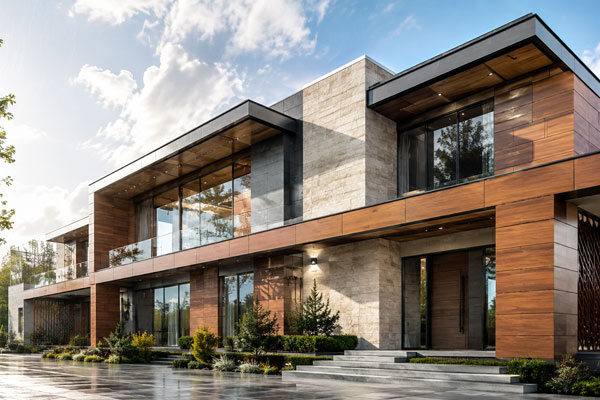
Modern building exteriors must do more than look attractive. They need to face sunlight, rain, dust, humidity and temperature changes while remaining easy to maintain. HPL Exterior Laminate supports this need by providing a decorative surface for façades, balconies, entrances and feature walls. It can create the appearance of wood, stone, concrete or solid colour without making the building look heavy.
Current façade design is moving toward natural shades, vertical lines, mixed materials and climate-responsive construction. Wood-look surfaces, earthy colours and weather-ready systems are especially visible in recent exterior trends.
Why HPL Exterior Laminate Is Gaining Attention
Exterior-grade HPL panels are developed for outdoor conditions. When the correct grade and fixing system are selected, they can offer resistance to weather, moisture, scratching and impact. They are also available in many colours, patterns and textures, giving architects freedom to create simple or expressive elevations.
Maintenance is another reason for their growing use. Natural timber adds warmth, but it may need frequent care in difficult climates. Wood-look HPL Exterior Laminate can provide a similar visual character with a surface that is generally easier to clean.
Natural Colours and Wood Look Finishes
Warm brown, sand, beige, clay, charcoal and muted green are becoming popular exterior colours. These shades connect buildings with their surroundings and combine well with concrete, glass and stone.
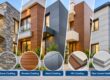
A fresh design method is to use a wood finish on one main section and add a darker shade around balconies, windows or entrance frames. This creates depth without making the façade crowded. Horizontal panels give a wider appearance, while vertical panels make the structure look taller.
Vertical Cladding for Clean Modern Elevations
Vertical cladding is becoming noticeable in homes, offices and commercial buildings. Narrow strips can highlight stair towers, terrace walls and entrance blocks, while wider panels create a calm appearance on large surfaces.
The panel layout should be planned before installation. Too many joints may make the wall look busy, while poor alignment can reduce the premium effect. A measured plan improves symmetry, controls material waste and simplifies installation.
Mixed Material Facades Create Better Balance
Modern façades often combine two or three materials instead of using one finish everywhere. HPL Exterior Laminate can be paired with glass, stone, metal, exposed concrete or painted surfaces. Mixed-material façades and stronger contrasts remain important design directions.
Wood-look laminate can soften a grey concrete elevation. Dark panels can frame a glass entrance, while stone textures create a solid appearance near the ground floor. Repeating selected colours helps the complete exterior feel connected.
Ventilated Facades and Climate Ready Design
Ventilated façades include an air cavity between the cladding and the main wall. When the complete system is properly designed, this space can support drainage, moisture control and overall building-envelope performance.
HPL panels may be used in ventilated façade applications, but the panel is only one part of the system. The subframe, insulation, anchors, cavity, joints, drainage and fire requirements must be planned together. Taller and public buildings may also require tested systems and local approvals.
HPL Exterior Laminate for Renovation
Older homes, shops, offices and institutions can receive a fresh identity without changing the complete structure. HPL cladding can update balcony fronts, entrance walls and faded exterior areas.
Before installation, the wall should be checked for cracks, moisture and loose plaster. Exterior cladding should not be used simply to hide unresolved damage. A detailed site survey and suitable fixing plan can reduce future maintenance problems.
How to Select and Install Exterior Laminate
Begin with the building location. A hot and dusty city has different needs from a coastal or high-rainfall area. Select only exterior-grade panels with suitable UV and weather performance.
View large samples in natural daylight before finalising the shade. Check panel thickness, fire classification, fixing method, warranty, joint details and cleaning instructions. Panels can expand or shrink slightly with climatic changes, so correct gaps, non-corrosive fasteners and planned drainage are essential.
Light dirt can usually be removed with water, while a mild non-abrasive detergent may be used for heavier marks. Sharp tools should not be used for scraping the surface.
Conclusion
HPL Exterior Laminate is becoming an important part of modern weather-ready façade design. Natural colours, wood-look textures, vertical layouts, mixed materials and ventilated systems are shaping current trends.
The best results come from selecting the correct exterior grade, planning the panel layout carefully and using a properly engineered fixing system. With thoughtful design, professional installation and routine cleaning, the building exterior can remain attractive, practical and visually relevant for years.
Frequently Asked Questions
HPL Exterior Laminate is a high-pressure laminate panel developed for outdoor uses such as façades, balconies, entrance walls and architectural features.
Yes, exterior-grade panels with suitable UV and weather resistance can be installed in sun-exposed areas.
Yes, it can be used in rainy areas when the correct panels, subframes, joints, ventilation and drainage details are provided.
Wood tones, beige, warm brown, clay, charcoal, muted green and stone-inspired shades are popular for modern exteriors.
It generally needs routine cleaning with water and a mild non-abrasive cleaner instead of heavy maintenance.
Yes, but the existing wall and support structure should be properly inspected and repaired before installation.